Top Stories
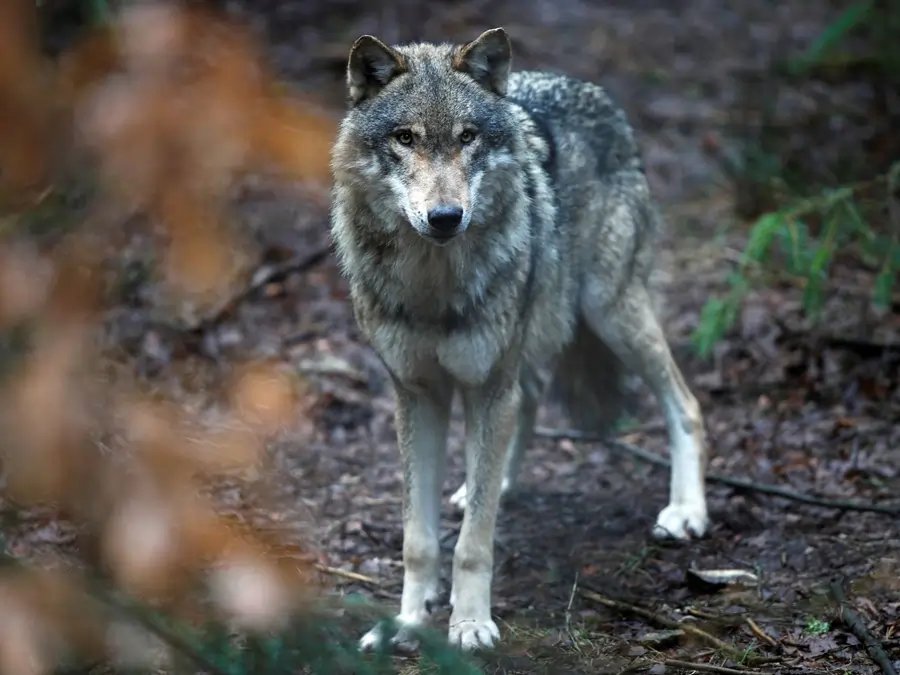
Wolves to lose ‘strictly protected’ status in Europe
Published by Jessica Weisman-Pitts
Posted on December 3, 2024
2 min readLast updated: January 28, 2026
Published by Jessica Weisman-Pitts
Posted on December 3, 2024
2 min readLast updated: January 28, 2026
BRUSSELS (Reuters) – Wolves in Europe will be less protected from hunting from 2025, after a majority of European countries on Tuesday accepted a proposal to downgrade their status due to their growing number and their impact on agriculture and farming livestock.
BRUSSELS (Reuters) – Wolves in Europe will be less protected from hunting from 2025, after a majority of European countries on Tuesday accepted a proposal to downgrade their status due to their growing number and their impact on agriculture and farming livestock.
Wolves’ status will be lowered as of March 7 to “protected” from “strictly protected” under the Bern Convention on the Conservation of European Wildlife and Natural Habitats, in a move condemned by animal welfare groups.
Until now wolves have been protected from being deliberately hunted or captured unless they pose a serious threat to livestock or health and safety.
Under their new status, any “exploitation” of wolves “shall be regulated in order to keep the populations out of danger”, effectively a far lower threshold for hunting them.
The EU Commission proposed the change, condemned by environmentalist groups, last year as growing wolf numbers led to conflicts with local farming and hunting communities and calls for measures to prevent attacks on livestock.
“Important news for our rural communities and farmers. We need a balanced approach between the preservation of wildlife and the protection of our livelihoods,” EU Commission President Ursula von der Leyen said in a statement after the vote.
Von der Leyen, whose own pony was killed by a wolf in 2022, had urged member states last year “to take action where necessary”.
Animal welfare groups including the International Fund for Animal Welfare condemned the decision.
“Today’s decision represents a dangerous step backwards for biodiversity and sets a worrying precedent for wildlife conservation in Europe,” it said.
The change will go into effect on March 7 unless at least a third of the 46 member states of the Council of Europe object, the Bern Convention said.
(Reporting by Bart Meijer; Editing by Hugh Lawson)
The Bern Convention on the Conservation of European Wildlife and Natural Habitats is an international treaty aimed at protecting wild flora and fauna and their natural habitats in Europe.
The EU Commission is the executive branch of the European Union responsible for proposing legislation, implementing decisions, and upholding the EU treaties, including environmental regulations.
Livestock refers to domesticated animals raised for agricultural purposes, including cattle, sheep, pigs, and poultry, primarily for food production.
Explore more articles in the Top Stories category