Technology
TAX, TRUST AND ACCOUNTING TECH IN 2017
Published by Gbaf News
Posted on January 19, 2017
7 min readLast updated: January 21, 2026

Published by Gbaf News
Posted on January 19, 2017
7 min readLast updated: January 21, 2026
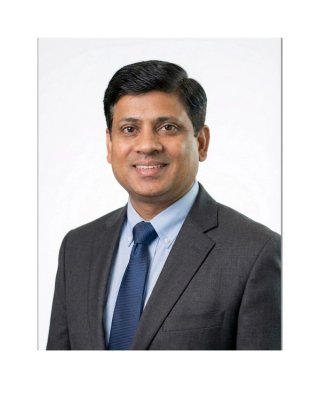
Nick Williams, Head of Business Development, UK Accountants at Intuit QuickBooks
Technology has been shaking up the way accountants interact with clients for years, but auto-enrolment, Making Tax Digital and significant changes to the business landscape mean everything is suddenly on fast-forward. Here’s my take on the implications for accountants in 2017:
The accountancy sector will, of course, be largely characterised by Making Tax Digital and the preparation of firms for the shift to quarterly filing. This will fundamentally change the way in which accountants do business, particularly with new opportunities that quarterly filing may open as a specific market segment. For example, there are an estimated 1.75 million landlords in the UK, and all those earning more than £10,000 from property income will be liable for Making Tax Digital. Niche groups like this, which have likely never thought about using technology to run their business, will now have no choice, and they’ll be looking for professionals who really understand their needs.
Companies will be so focused on meeting the auto-enrollment deadline that they will naturally default to the minimum 1%. It will start out as a tick box exercise, with companies simply meeting the minimum requirements, but this will not do justice to UK employees. Yes, we can expect a last-minute rush, fees and penalties, but there will also be winners. These will be those who work closely with their financial provider to make the right long-term decisions for their employees.
New technology means many accountancy firms have found themselves transformed into fintech companies, and hi-tech start-ups are snapping at the heels of traditional firms not keeping pace. The new reality of accountancy will be a technology and accounting service package delivered to clients. There will continue to be a stream of new entrepreneurs in 2017, fresh from school or University, seeing an opportunity to shake up a traditional industry. However, there are also many more experienced accountants ready to compete with this new wave of talent. And what about the senior partners unwilling to move away from paper or spreadsheets and not embracing tech? Well, it’s a case of disrupt or be disrupted. Even those firms looking to sell out, with limited tech and cloud accounting process, multiples on sale of the firm will be low without the basic tech in place.
SMEs and now more so the Self Employed, are realising that their accountants can deliver far more business value than simply getting taxes done. Technology brings access to real-time financial data, and the most sophisticated want to interrogate this as much as possible to improve their business performance. This is where accountants come in. They are more trusted than any other advisors, including banks, so they are in prime position to go beyond straight tax advice and broaden their services to things like business benchmarking and lending. Those who do this proactively will have the best chance to drive growth for small business and, ultimately, increase fees.
We can’t ignore that Brexit will impact the business landscape. There’s growing uncertainty around business lending, tax implications of imports and exports, the recruitment of international talent and currency fluctuations. This all drives SMEs to think more about their cash reserves, to focus on customer retention and to leverage technology to drive efficiencies. But there will be opportunities made during times of economic volatility and firms can help their clients to seize them and grow their own business as a result.
Technology has turned the accounting world into an entirely new beast, but it’s how we respond to these drastic changes that will determine success in 2017.
Nick Williams, Head of Business Development, UK Accountants at Intuit QuickBooks
Technology has been shaking up the way accountants interact with clients for years, but auto-enrolment, Making Tax Digital and significant changes to the business landscape mean everything is suddenly on fast-forward. Here’s my take on the implications for accountants in 2017:
The accountancy sector will, of course, be largely characterised by Making Tax Digital and the preparation of firms for the shift to quarterly filing. This will fundamentally change the way in which accountants do business, particularly with new opportunities that quarterly filing may open as a specific market segment. For example, there are an estimated 1.75 million landlords in the UK, and all those earning more than £10,000 from property income will be liable for Making Tax Digital. Niche groups like this, which have likely never thought about using technology to run their business, will now have no choice, and they’ll be looking for professionals who really understand their needs.
Companies will be so focused on meeting the auto-enrollment deadline that they will naturally default to the minimum 1%. It will start out as a tick box exercise, with companies simply meeting the minimum requirements, but this will not do justice to UK employees. Yes, we can expect a last-minute rush, fees and penalties, but there will also be winners. These will be those who work closely with their financial provider to make the right long-term decisions for their employees.
New technology means many accountancy firms have found themselves transformed into fintech companies, and hi-tech start-ups are snapping at the heels of traditional firms not keeping pace. The new reality of accountancy will be a technology and accounting service package delivered to clients. There will continue to be a stream of new entrepreneurs in 2017, fresh from school or University, seeing an opportunity to shake up a traditional industry. However, there are also many more experienced accountants ready to compete with this new wave of talent. And what about the senior partners unwilling to move away from paper or spreadsheets and not embracing tech? Well, it’s a case of disrupt or be disrupted. Even those firms looking to sell out, with limited tech and cloud accounting process, multiples on sale of the firm will be low without the basic tech in place.
SMEs and now more so the Self Employed, are realising that their accountants can deliver far more business value than simply getting taxes done. Technology brings access to real-time financial data, and the most sophisticated want to interrogate this as much as possible to improve their business performance. This is where accountants come in. They are more trusted than any other advisors, including banks, so they are in prime position to go beyond straight tax advice and broaden their services to things like business benchmarking and lending. Those who do this proactively will have the best chance to drive growth for small business and, ultimately, increase fees.
We can’t ignore that Brexit will impact the business landscape. There’s growing uncertainty around business lending, tax implications of imports and exports, the recruitment of international talent and currency fluctuations. This all drives SMEs to think more about their cash reserves, to focus on customer retention and to leverage technology to drive efficiencies. But there will be opportunities made during times of economic volatility and firms can help their clients to seize them and grow their own business as a result.
Technology has turned the accounting world into an entirely new beast, but it’s how we respond to these drastic changes that will determine success in 2017.
Explore more articles in the Technology category