
Banking
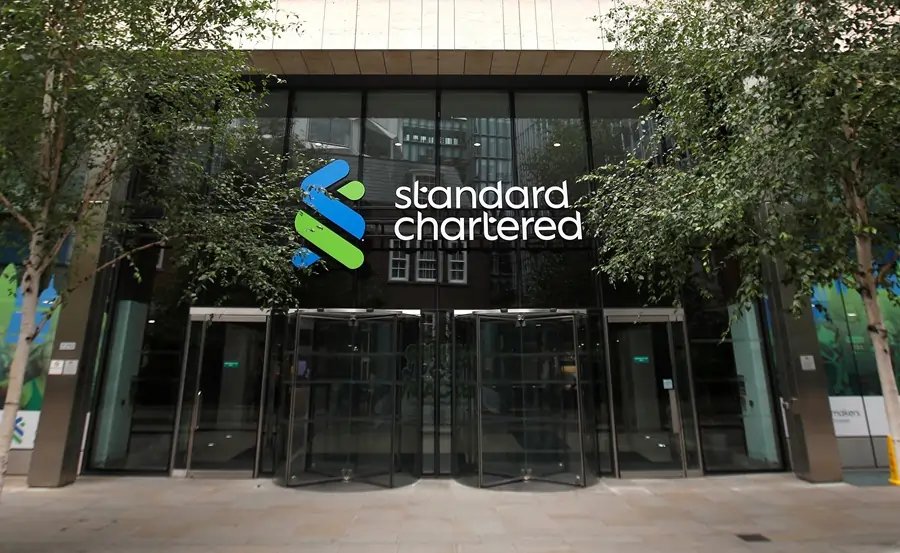
StanChart targets $200 billion in new wealth assets over next five years
Published by Jessica Weisman-Pitts
Posted on December 3, 2024
2 min readLast updated: January 28, 2026
Published by Jessica Weisman-Pitts
Posted on December 3, 2024
2 min readLast updated: January 28, 2026
By Lawrence White
LONDON (Reuters) – Standard Chartered will target $200 billion in new assets and double digit growth in income from its wealth business over the next five years, it said on Tuesday, as part of a wider strategy to shift to higher fee-earning businesses.
The statement from the bank expands on ambitions it unveiled in October to trim back its retail banking business in some markets in order to fund a $1.5 billion investment in its wealth unit, particularly targeting mass affluent customers.
The bank will also aim to increase by 50% the size of its relationship manager team by 2028, it said, as well as upgrading branches and investing in technology to win new clients.
The shift in focus from ordinary retail banking to target more affluent clients mirrors a shift at rival HSBC, which has in recent years slashed its retail presence in markets such as the U.S. and France while investing in wealth management.
As we continue to focus on our competitive strengths, a significant portion of our investment will enhance those capabilities that support our clients’ international banking needs,” said Judy Hsu, CEO, Wealth and Retail Banking at Standard Chartered.
Standard Chartered said last month it is exploring a potential divestment of its wealth and retail banking operations in Botswana, Uganda and Zambia, as part of the shift in investment.
(This story has been corrected to remove the incorrect word ‘pound’ in paragraph 2, and to say ‘increase by 50%,’ not ‘double,’ in paragraph 3)
(Reporting by Lawrence White; editing by Sinead Cruise and Jason Neely)
Wealth management is a financial advisory service that combines various financial services to address the needs of affluent clients, including investment management, financial planning, and tax services.
Retail banking refers to the provision of banking services to individual consumers rather than businesses, including savings accounts, personal loans, and mortgages.
Investment is the act of allocating resources, usually money, in order to generate income or profit. This can include purchasing stocks, bonds, real estate, or other assets.
A relationship manager is a professional who manages a company's relationships with its clients, ensuring customer satisfaction and promoting services to enhance client loyalty.
Divestment is the process of selling off a subsidiary, business unit, or asset to reduce financial risk or improve financial performance.
Explore more articles in the Banking category