
Top Stories
Spain’s electricity demand edges up as renewables break records
Published by Jessica Weisman-Pitts
Posted on December 19, 2024
2 min readLast updated: January 28, 2026
Published by Jessica Weisman-Pitts
Posted on December 19, 2024
2 min readLast updated: January 28, 2026
MADRID (Reuters) -The amount of electricity used in Spain has inched up this year after falling for two consecutive years, with a record 56% coming from renewable sources such as wind and solar, according to estimates on Thursday from grid operator Red Electrica.
MADRID (Reuters) -The amount of electricity used in Spain has inched up this year after falling for two consecutive years, with a record 56% coming from renewable sources such as wind and solar, according to estimates on Thursday from grid operator Red Electrica.
Flagging electricity demand has been a key concern for Spain’s renewables industry, which warned that the mismatch with increasing supply of green energy threatened future investments in the sector.
Demand rose 1% – or 1.6% when adjusted by working hours and temperature – from 2023 to 248 terawatt hours, the preliminary figures show.
Spain has set ambitious targets for renewables in its climate and energy plan. By the end of the decade, renewables are expected to generate 81% of the country’s electricity.
The 56% coming from renewables in 2024 represents an increase of six percentage points over last year, which had been the highest so far.
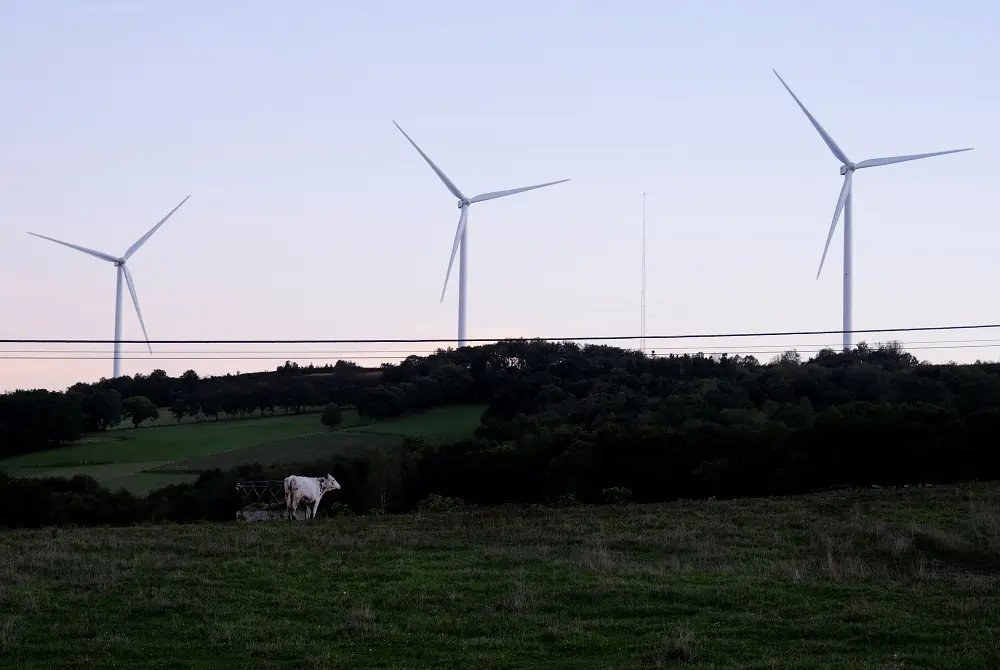
Wind was again the main source of electricity generated in Spain, accounting for roughly 23% of the mix, followed by nuclear power at 19%.
After a strong growth, solar photovoltaic occupied third place, surpassing gas plants.
Carbon dioxide emissions tied to the production of electricity fell more than 16%, thanks to the growth of green energy sources and a sharp decline in use of gas to produce electricity.
(Reporting by Pietro Lombardi. Editing by Inti Landauro and Mark Potter)
Renewable energy is energy generated from natural resources that are replenished constantly, such as sunlight, wind, rain, tides, waves, and geothermal heat. It is considered more sustainable than fossil fuels.
Electricity demand refers to the amount of electrical power required by consumers at a given time. It can fluctuate based on factors like time of day, weather, and economic activity.
Carbon dioxide emissions are the release of CO2 gas into the atmosphere, primarily from burning fossil fuels. These emissions contribute to climate change and global warming.
Wind energy is the process of converting wind into electricity using wind turbines. It is a clean and renewable source of energy that helps reduce reliance on fossil fuels.
Solar power is energy harnessed from the sun's rays using solar panels. It is a renewable energy source that can be used for electricity generation, heating, and more.
Explore more articles in the Top Stories category