
Top Stories
Russia’s economy will need to adapt to new US sanctions, economy minister says
MOSCOW (Reuters) – The Russian rouble will strengthen when temporary speculative factors and market nervousness are gone, but the economy will need to adapt to new U.S. sanctions targeting the
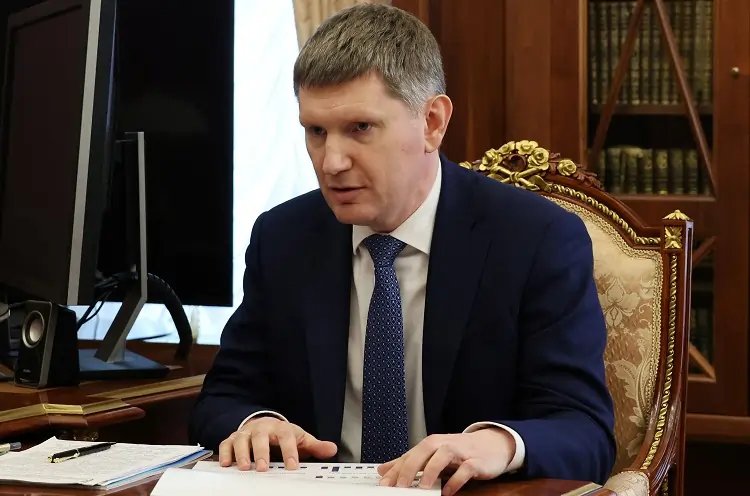
MOSCOW (Reuters) – The Russian rouble will strengthen when temporary speculative factors and market nervousness are gone, but the economy will need to adapt to new U.S. sanctions targeting the banking sector, Economy Minister Maxim Reshetnikov said on Friday.
The rouble was largely stable against all major currencies on Friday but remained at its lowest level since March 2022, the first month of the Ukraine war. The currency is down by over one quarter against the U.S. dollar since early August.
“It is evident that adaptation to the new anti-Russian sanctions will be necessary, including changes to banking mechanisms and channels for currency inflows into the Russian market,” Reshetnikov said in a statement.
Reshetnikov statement followed a call from President Vladimir Putin not to panic over the rouble’s fall and a decision by the central bank not to buy foreign currency on the domestic market from Nov. 28 until the end of the year.
The latest U.S. sanctions on Russia’s financial sector hit Gazprombank, which handles payments for Russia’s energy trade with Europe and is the major supplier of Western currencies to the market.
The sanctions created a shortage on the Russian foreign exchange market, which led to panic buying of foreign currencies. Reshetnikov said there were no fundamental reasons for the rouble’s fall.
“We assume that once the market nervousness subsides, the exchange rate will return to its fundamental values,” he said.
(Reporting by Darya Korsunskaya, writing by Gleb Bryanski; Editing by Kevin Liffey)
The rouble is the currency of Russia, which has experienced fluctuations in value due to various economic factors, including sanctions and market conditions.
Currency inflow refers to the movement of foreign currency into a country's economy, which can impact exchange rates and economic stability.
Market nervousness describes a state of anxiety among investors regarding economic conditions, leading to volatility in financial markets and currency values.
A central bank is a national financial institution that manages a country's currency, money supply, and interest rates, often overseeing monetary policy.
Explore more articles in the Top Stories category