
Banking
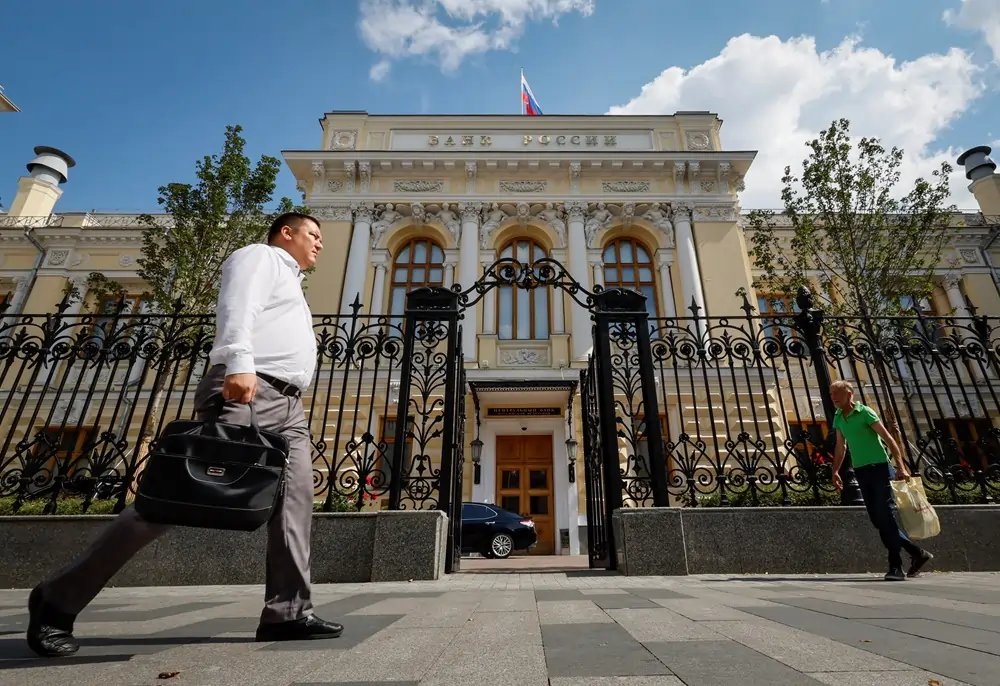
Russia’s central bank says inflationary pressure remains high
Published by Jessica Weisman-Pitts
Posted on November 18, 2024
1 min readLast updated: January 28, 2026
Published by Jessica Weisman-Pitts
Posted on November 18, 2024
1 min readLast updated: January 28, 2026
MOSCOW (Reuters) -Inflationary expectations among Russian households for the year ahead stood at 13.4% in November, unchanged from October, while
MOSCOW (Reuters) -Inflationary expectations among Russian households for the year ahead stood at 13.4% in November, unchanged from October, while inflationary pressure remained high, the central bank said on Monday.
The central bank raised its benchmark interest rate to 21% last month, the highest level in more than 20 years, citing high inflation and elevated inflationary expectations as the main reasons for the move.
According to published data, inflationary expectations were still at their highest level for the year.
The central bank noted that while, overall inflation slowed in October compared with September, the slowdown was due to volatile components such as prices in the tourism and passenger transport sectors.
It said that most indicators of sustainable price growth increased compared with the previous month, suggesting that growth in demand continued to outpace the ability to expand the production of goods and services.
“Persistent inflationary pressure remains near the highs of the current year,” the central bank said.
The central bank board will convene for the next rate-setting meeting on Dec. 20, with the officials saying that a further tightening of monetary policy was possible.
(Reporting by Elena Fabrichnaya; Writing by Gleb Bryanski; Editing by Tomasz Janowski and Alex Richardson)
Inflation is the rate at which the general level of prices for goods and services rises, eroding purchasing power. It is typically measured by the Consumer Price Index (CPI).
A central bank is a financial institution that manages a country's currency, money supply, and interest rates. It also oversees the banking system and implements monetary policy.
Interest rates are the cost of borrowing money or the return on savings, expressed as a percentage of the principal amount. They are influenced by central bank policies and economic conditions.
Monetary policy refers to the actions taken by a central bank to control the money supply and interest rates to achieve macroeconomic goals such as controlling inflation and stabilizing currency.
Explore more articles in the Banking category