Top Stories
Polish central bank reports loss of $5 billion dollars in 2023
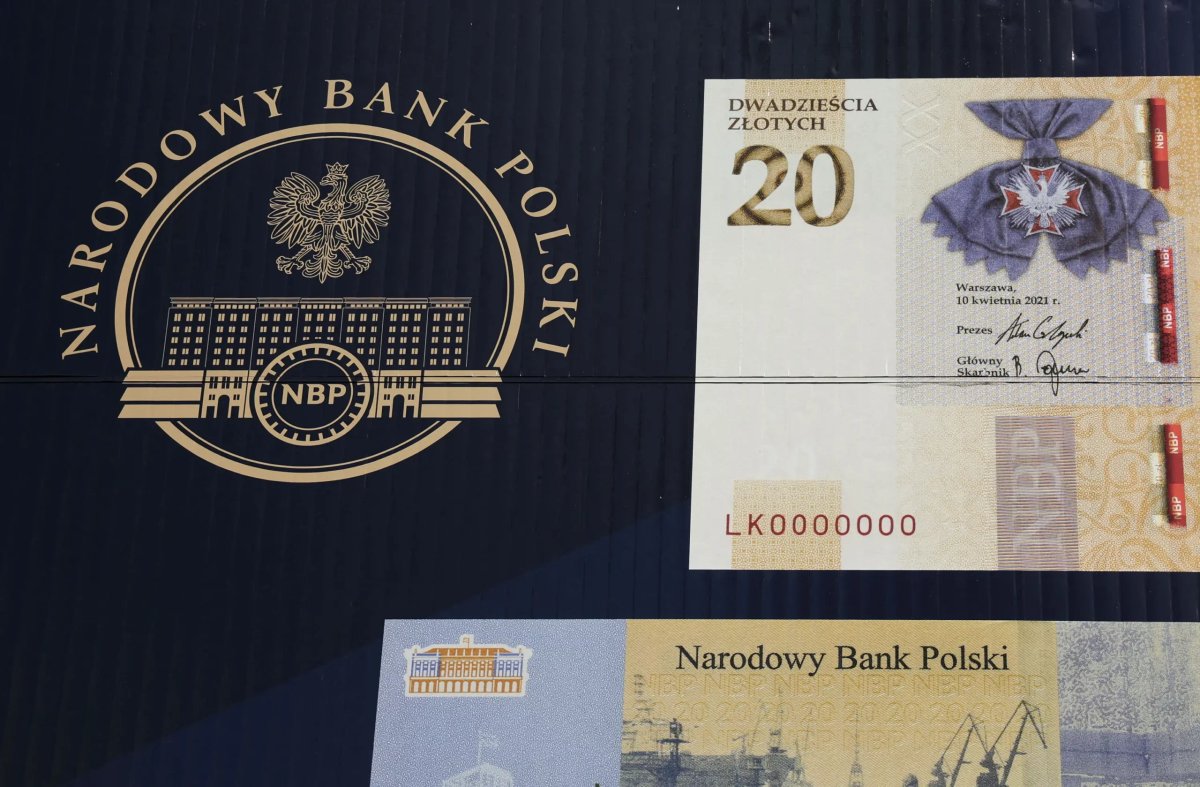
WARSAW (Reuters) – The National Bank of Poland (NBP) made a loss of 20.8 billion zlotys ($5.2 billion) in 2023 compared to a loss of 16.9 billion zlotys the previous year, it said in its financial report on Wednesday, later citing the impact of a strong zloty.
WARSAW (Reuters) – The National Bank of Poland (NBP) made a loss of 20.8 billion zlotys ($5.2 billion) in 2023 compared to a loss of 16.9 billion zlotys the previous year, it said in its financial report on Wednesday, later citing the impact of a strong zloty.
The zloty, which has firmed since an October parliamentary election and is currently worth about 25 cents, has had a significant impact on the central bank’s financial results as it influences the amount of reserves held, including those in foreign currencies.
The central bank said in a statement released later on Wednesday that the negative result from exchange rate differences on the 2023 result amounted to 31.0 billion zlotys.
Poland’s new ruling coalition, which took power late last year, wants to bring NBP chief Adam Glapinski before a state tribunal, partly over the bank’s performance.
Glapinski has been accused by the new government of not being sufficiently independent of the nationalist previous government.
He also faces accusations of breaking constitutional rules that prevented the bank from financing government borrowing during the COVID-19 pandemic, misleading the finance ministry about the bank’s results, and telling the finance ministry last August that the bank may make a 6-billion-zloty profit in 2023.
Glapinski says he has always done his job independently of political influence. He says the difference between the August estimate of the bank’s results and the bank’s eventual loss was caused by the zloty strengthening since the election.
($1 = 4.0409 zlotys)
(Reporting by Pawel Florkiewicz, Editing by Timothy Heritage and Emelia Sithole-Matarise)
A central bank is a financial institution that manages a country's currency, money supply, and interest rates. It also oversees the banking system and implements monetary policy to achieve economic stability.
Monetary policy refers to the actions taken by a central bank to control the money supply and interest rates in an economy. It aims to achieve macroeconomic objectives such as controlling inflation, consumption, growth, and liquidity.
Foreign currency is any currency other than the domestic currency of a country. It is used in international trade and investment and can be exchanged for domestic currency at prevailing exchange rates.
Economic growth is the increase in the production of goods and services in an economy over a period of time. It is typically measured by the rise in Gross Domestic Product (GDP).
A financial crisis is a situation in which the value of financial institutions or assets drops rapidly. It can lead to widespread economic instability, affecting banks, markets, and the overall economy.
Explore more articles in the Top Stories category