Top Stories
Lessons from the 2008 recession for 2021
Published by linker 5
Posted on February 2, 2021
9 min readLast updated: January 21, 2026
Published by linker 5
Posted on February 2, 2021
9 min readLast updated: January 21, 2026
By Paul Naha-Biswas, CEO and founder of Sixley
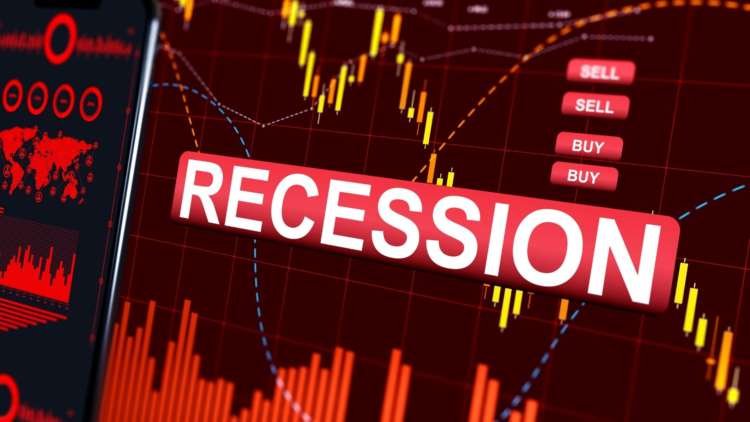
The latest GDP figures showed that the UK is on track for a ‘double-dip recession’ with the Chancellor, Rishi Sunak, warning of ‘harder’ times to come as GDP fell 2.6% during the second coronavirus lockdown in November. While news of another recession will come as little surprise to most given the restrictions enforced on businesses during the pandemic, the scale of it is nevertheless shocking. The 11.3% decline is the biggest in three centuries, far exceeding the 6% financial crash of 2008.
Back then, the economy took five years to recover to the size it was before the recession. And, although the scale and nature of the economic crash is different to anything ever experienced previously, there are still some useful lessons we can learn from 2008 to help accelerate our recovery:
Above all, we mustn’t panic. Some of the GDP figures sound scary on the face of it but we survived a scare in 2008 and will overcome this new challenge.
While large deficits are not a great habit to get into, it’s clearly down to a one-off strong economic shock. Debt exceeding national GDP may sound high, but the UK started from a healthy position and the overall level is not as high as other nations – although the situation changes when you compare combined public and private debt levels. Historically low interest rates are unlikely to change in the foreseeable future meaning that the Government’s cost of borrowing is negligible. In fact, the yield on 2-year UK Government gilts is currently negative – meaning that people actually pay for the privilege of holding Government debt. That means there’s no burning platform to repay that debt.
First and foremost, we must protect livelihoods. In this recession, like the last one, job stability trumps pay increases. With nothing much to do, the savings rate has shot up from single figures to 30% for those who have a job. So, those who have kept their job over this period and not had a 20% pay cut as many have, are likely to be much better off financially than pre-pandemic. Protecting jobs must be the priority over pay increases to ensure fair distribution of wealth and a better economic recovery.
But, while unemployment is terrible for every individual impacted, there is concern about how the job losses will be distributed this time around.
As a direct consequence of the lockdowns, under-25s and those in sectors such as hospitality, retail and recreation were sadly hit hard and were among the first to go on furlough. With the physical economy likely to open up again by Summer 2021, these sectors should eventually pick-up leaving little long-term career-damage for these employees – as opposed to the business owners who may not survive.
In the mid-to-long term, it’s the skilled workers – especially those mid-to-late career – who are of greatest concern. This recession will be a lot deeper than the 2008 financial crash and the danger for employees is whether the expectation of recession coupled with income and capital-based tax rises, pay freezes, spending cuts and increased employment costs impact both consumer spending and business investment.
To counteract rising unemployment, the Chancellor announced the launch of a new ‘Restart’ scheme in his recent Spending Review. The scheme will invest £2.9bn to help one million people find employment through training courses and local partnerships.
It’s encouraging to see retraining and reskilling high up on the government’s agenda. It was crucial for the rebuilding process following the last financial crash, as digital companies became more prevalent and influential in the economy. And so, the Restart programme should be applauded but the devil is in the detail:
What sectors will the retraining be in and how ambitious will it be? It’s important the skills learnt are evidential and deep enough for employers, rather than just a certificate-issuing exercise.
And is 12 months too long for people to wait? If re-training takes 12 months, people could be out of work for 24-30 months, which can destroy confidence and put off employers.
The shift to digital – which has been vastly accelerated by behaviour changes in lockdown – mirrors the changes seen in 2008, when businesses such as Spotify, Uber and Airbnb emerged out of the recession.
This can be a positive thing for advancing the economy on a path we were already taking. But we must tread it with caution.
Take car manufacturing for example. 80% of cars made in the UK are exported, totalling £44bn in 2018. But not only is the industry likely to see a hit in demand from reduced spending in the recession, but it could be impacted by the lack of UK experience in electric motors as well as reduced inwards investment because of Brexit uncertainty. If these concerns materialise, where do the mid-late career car manufacturers go? Can they really all re-train as Python and Go software developers?
And it’s not only blue-collar workers who should be worried. A big focus of current VC investment is in FinTech, RegTech and LegalTech – areas that threaten thousands of well-paying jobs across the UK in areas such as law, finance, accounting, insurance and processing.
The Digital Revolution should rightfully be embraced. We have seen the benefits it can have – who hasn’t listened to Spotify, or taken a taxi with Uber, or stayed in an Airbnb? But it must be well thought out to minimise the risks for workers in more traditional sectors.
Earlier in the year, at the height of the first lockdown, American investor George Soros, said to the Open Society Foundations that we “missed the opportunity to create a more just economy after the financial crisis of 2008 and provide a social safety net for the workers who are the heart of our societies.” We cannot allow that to happen again.
Yet there are already signs we are falling into the same trap as we did in 2008. A new report released by the Fawcett Society to mark Equal Pay Day found that the likelihood of women being furloughed or unfairly made redundant is higher than men.

Paul Naha-Biswas
Sam Smethers, chief executive at the Fawcett Society, believes the progress made on equality in the 50 years since the introduction of the Equal Pay Act is now “at risk of being eroded”.
We must use the opportunity to rebuild our economy more fairly, by increasing opportunities in senior positions for women and ethnic minorities, closing the pay gap and addressing discriminatory behaviour in the workplace. Recruitment is one way that businesses can take responsibility for improving workplace equality, by using more diverse sources to hire and implementing policies to protect opportunities for underrepresented demographics.
In reaction to the previous recession, new laws were implemented to prevent a repeat of the failures in national and international banks. In the US for example, Presidents George W. Bush and Barack Obama signed the Dodd-Frank Wall Street Reform and Consumer Protection Act into law, designed to regulate the activities of the financial sector and protect consumers.
This time around we have another opportunity to amend and sign laws to improve prospects for businesses and consumers. Take UK employment law for example. In the past thirty years, it has changed a lot, but post-Brexit we have a chance to look again at how the rules are applied and whether we can make them work better.
Currently the European Agency Workers regulations stipulate parity of terms between temporary and permanent staff after just 13 weeks. This incentivises employers to hire staff for up to 13 weeks and then replace them to avoid additional severance costs for full-time employees. These costs disincentivise the employment of people over technology and make low paid, young or entry level workers more likely to be dismissed first.
With large swathes of the economy shutdown, there is a great opportunity to take advantage of the nation’s quieter transport networks and urban areas to invest in big infrastructure projects and grow jobs in the process. In the last recession we saw the success of this approach with the construction of The Shard in London in March 2009 and the £15bn Crossrail, one of the biggest transport infrastructure projects in Europe.
Today we have the chance to upgrade broadband nationwide to 5G, finish HS2, improve the housing market and complete the 40 hospitals promised. As well as creating jobs, this would lead to lasting improvements in the national infrastructure for years to come.
In 2008, many pre-recession investors didn’t look at their portfolios until it was too late. They panicked, sold and regretted their decision when markets rebounded in 2009.
History tells us to take a long-term view in order to make smart investments. That means reviewing current investments, making plans to stay in the market regardless of any potential bumps in the road and developing a target asset mix based on risk preferences and financial goals.
But more than just holding your nerve and making smart investments, we must diversify them as our best defence against a volatile market. Looking even further back to the Great Recession, the stock market lost over 50% of its value, but gold remained resilient, Government-backed bonds, like treasuries, continued to pay interest, and some defence stocks and biotech stocks had positive returns. A more diverse portfolio of investments would have softened the blow. And that is also true for businesses and their customer bases in this current recession.
And finally, it’s always important to remember that no matter how bad things seem now, markets will always recover. The Great Depression took ten years but eventually bounced back. In 2008, just a few days after the Lehman Brothers collapsed, the stock market recovered by about 13%.
We must look at the situation as one of opportunity. There are new advantages, for example businesses have never had such a large and diverse talent pool to recruit from.
American investor Warren Buffett once said: “someone is sitting in the shade today because someone planted a tree a long time ago.” Today, we must plant the trees that will bear the fruits for our future.
Explore more articles in the Top Stories category