Technology
How Data Is Changing Fleet Operations
Published by Jessica Weisman-Pitts
Posted on October 21, 2024
4 min readLast updated: January 29, 2026

Published by Jessica Weisman-Pitts
Posted on October 21, 2024
4 min readLast updated: January 29, 2026
In today’s fast-paced logistics environment, data is revolutionizing
In today’s fast-paced logistics environment, data is revolutionizing fleet management in Australia. Whether you’re a business owner, fleet manager, or truck driver, leveraging data can bring more efficiency, safety, and profitability to your operations. At the heart of this transformation is asset tracking, a technology that’s reshaping how fleets are monitored, maintained, and optimized.
Real-Time Asset Tracking for Greater Visibility
Modern fleet management relies on accurate, real-time data to make informed decisions. Asset tracking, which uses GPS technology and sensors, enables business owners to know the exact location of every vehicle, cargo, and equipment in their fleet. This level of visibility is invaluable in a country like Australia, where trucks often travel long distances across remote areas.
By tracking vehicle locations, fleet managers can optimize routes, avoid traffic, and minimize downtime. For truck drivers, real-time tracking reduces uncertainty, providing updates on fuel stations, rest areas, and expected arrival times.
Boosting Efficiency Through Predictive Maintenance
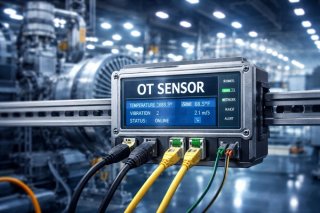
One of the keyways data is reshaping fleet operations is through predictive maintenance. Sensors attached to vehicles continuously collect data on engine health, tire pressure, and overall performance. With asset tracking systems integrated into the maintenance schedule, potential issues can be identified before they cause breakdowns or accidents.
For fleet managers, this reduces unexpected repair costs and ensures that trucks spend more time on the road and less time in the workshop. Business owners benefit from fewer disruptions to operations and improved fleet performance.
Fuel Management and Cost Control
Data analytics also plays a pivotal role in fuel management, which is a significant cost factor for fleets in Australia. Asset tracking systems can monitor fuel consumption patterns and provide insights on how to reduce fuel use. Data collected from drivers’ behaviour, such as harsh braking or excessive idling, can be analysed to improve fuel efficiency.
By addressing inefficiencies, fleet owners and managers can lower fuel expenses, which is critical given the current fluctuations in fuel prices. It also allows for more accurate financial forecasting and budgeting.
Enhanced Driver Safety and Compliance
Driver safety is paramount in fleet management, especially on Australia’s long, often rugged roads. Data-driven asset tracking systems enhance driver safety by monitoring speed, braking patterns, and adherence to regulations. Managers can receive real-time alerts if unsafe driving practices are detected, allowing for swift intervention.
Moreover, compliance with local transport regulations can be ensured through data monitoring. Electronic logs automatically track driving hours, reducing the risk of violations and associated penalties. For truck drivers, this means they can focus on the road, knowing that safety and compliance measures are being managed in the background.
Optimizing Route Planning
Long hauls in Australia demand smart route planning, particularly when moving goods between cities and rural areas. Data from asset tracking systems combined with external data—such as weather conditions, road construction, and traffic patterns—helps fleet managers to optimize routes.
This optimization not only reduces delivery times but also minimizes wear and tear on vehicles. For business owners, improved routing leads to cost savings and customer satisfaction, as goods arrive faster and more predictably. Truck drivers, on the other hand, benefit from less stressful, more efficient journeys.
Sustainability and Environmental Impact
Data is also playing a vital role in driving sustainability efforts within fleet operations. By analysing fuel usage, route efficiency, and vehicle emissions, fleet managers can reduce their environmental footprint. Many companies in Australia are now prioritizing greener operations, and data-driven insights from asset tracking help them meet these goals.
With the push for electric vehicles (EVs) in Australia’s fleet industry, data will continue to be a game changer. It will assist in monitoring the performance of EVs, scheduling recharges, and analysing the overall cost benefits.
Conclusion
Data is transforming the landscape of fleet operations in Australia, offering business owners, fleet managers, and truck drivers unparalleled tools to enhance efficiency, safety, and profitability. Asset tracking stands out as a core component of this change, providing real-time visibility, optimizing routes, and enabling predictive maintenance. As technology continues to evolve, embracing these data-driven solutions will be key to staying competitive in Australia’s demanding logistics industry.
Asset tracking is a technology that uses GPS and sensors to monitor the location and status of vehicles and equipment in a fleet, enhancing visibility and operational efficiency.
Predictive maintenance involves using data collected from sensors to anticipate and address potential vehicle issues before they lead to breakdowns, thereby reducing downtime and repair costs.
Fuel management refers to the strategies and technologies used to monitor and optimize fuel consumption in fleet operations, helping to reduce costs and improve efficiency.
Driver safety compliance involves adhering to regulations and best practices to ensure the safety of drivers on the road, often monitored through data-driven systems.
Route optimization is the process of using data to determine the most efficient paths for vehicles to take, minimizing travel time and costs while improving delivery reliability.
Explore more articles in the Technology category