
Top Stories
German retail sales fall more than expected in April
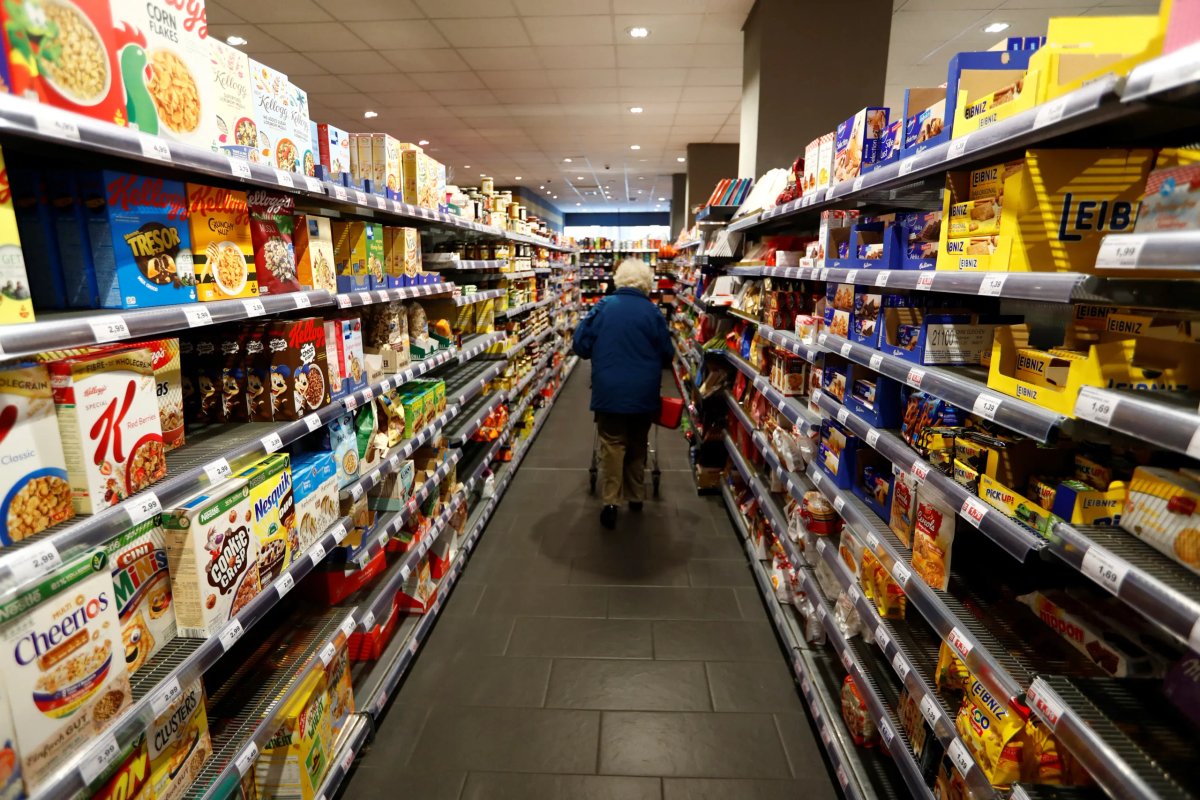
(Reuters) -German retail sales fell more than expected in April, decreasing by 1.2% compared with the previous month, dimming hopes that consumer spending could give a much-needed boost to Europe’s largest economy.
(Reuters) -German retail sales fell more than expected in April, decreasing by 1.2% compared with the previous month, dimming hopes that consumer spending could give a much-needed boost to Europe’s largest economy.
Analysts polled by Reuters had predicted a 0.1% decrease.
Year on year, retails sales declined by 0.6% in real terms, the federal statistics office reported on Friday.
The data, published in more detail on the office’s website, offers a mixed picture for consumption in Germany as economists hope that rising wages and an improved outlook will boost spending.
Germany’s inflation rate, harmonised to compare with other euro zone economies, has increased over the past two months after easing from the double-digits highs of late 2022, coming in at 2.8% in May.
On Friday, the Ifo institute said its price expectations index had risen slightly to 16.2 points in May from 15.2 points the month before.
However, price expectations declined by contrast in consumer-related industries.
“This means inflation is likely to fall again in the coming months. In August, it should drop below 2% for the first time since March 2021,” said Timo Wollmershaeuser, head of forecasts at Ifo.
The statistics office also reported on Friday a 1.7% year-on-year fall in import prices in April, largely in line with analysts’ expectations.
(Reporting by Paolo Laudani and Halilcan Soran, writing by Rachel More, editing by Thomas Seythal)
Retail trade refers to the sale of goods and services directly to consumers, typically through stores, online platforms, or other direct sales methods.
Consumer perception is the way consumers view and interpret a brand or product, which can significantly influence their purchasing decisions and overall market behavior.
Economic growth is an increase in the production of goods and services in an economy over a period of time, often measured by the rise in GDP.
Import refers to bringing goods and services into a country from abroad, while export is the act of sending goods and services out of a country to be sold elsewhere.
Explore more articles in the Top Stories category