
Finance
French preliminary inflation at 1.7% in November, in line with forecasts
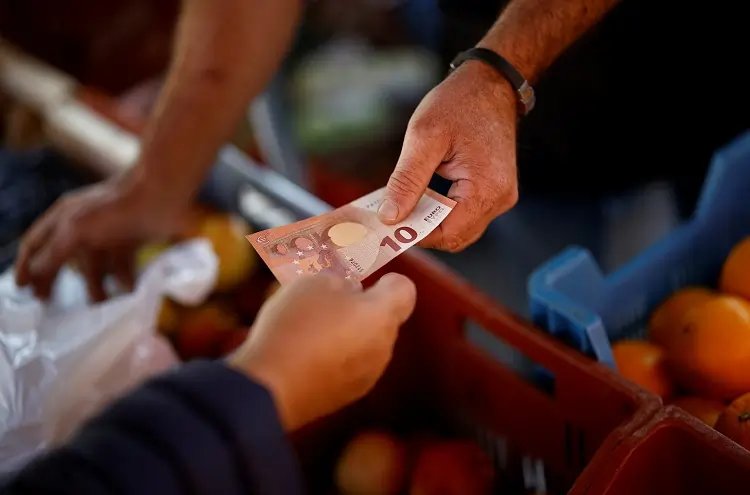
(Reuters) – French consumer prices grew in line with expectations in November, with lower food prices and higher service prices compared to last year, preliminary data from statistics agency INSEE showed on Friday.
(Reuters) – French consumer prices grew in line with expectations in November, with lower food prices and higher service prices compared to last year, preliminary data from statistics agency INSEE showed on Friday.
France’s harmonized inflation rate, adjusted for comparison with other euro zone countries, increased to 1.7% in November, up from 1.6% in October and in line with the 1.7% expected by economists surveyed by Reuters.
Service prices rose 2.5% year-on-year, slightly accelerating from 2.3% in October. Energy prices were 0.7% lower year-on-year and showed a faster pace of decline compared to the previous month, when they came in at -0.2%, the agency said.
Manufactured goods and tobacco price inflation held steady, rising at the same rate as last month, INSEE said.
Compared to October numbers, consumer prices saw a slight dip mainly due to a decrease in service costs, and transport in particular. Prices of food and manufactured goods were stable compared to last month, while energy and tobacco prices saw a modest increase, the report showed.
Inflation measured by France’s own consumer price index (CPI) was 1.3% over the year through November, up from 1.2% reported in October.
(Reporting by Anna Peverieri in Gdansk; editing by Milla Nissi)
Inflation is the rate at which the general level of prices for goods and services rises, eroding purchasing power. It is typically measured as an annual percentage increase.
Consumer prices refer to the prices that consumers pay for goods and services. These prices are tracked to measure inflation and the cost of living.
The consumer price index (CPI) is a measure that examines the average change over time in the prices paid by consumers for a basket of goods and services.
Monetary policy is the process by which a central bank manages the supply of money and interest rates to achieve specific economic objectives, such as controlling inflation and stabilizing currency.
Explore more articles in the Finance category