Search
00
GBAF Logo
trophy
Top StoriesInterviewsBusinessFinanceBankingTechnologyInvestingTradingVideosAwardsMagazinesHeadlinesTrends

Subscribe to our newsletter

Get the latest news and updates from our team.

Global Banking & Finance Review®

Global Banking & Finance Review® - Subscribe to our newsletter

Company

    GBAF Logo
    • About Us
    • Profile
    • Privacy & Cookie Policy
    • Terms of Use
    • Contact Us
    • Advertising
    • Submit Post
    • Latest News
    • Research Reports
    • Press Release
    • Awards▾
      • About the Awards
      • Awards TimeTable
      • Submit Nominations
      • Testimonials
      • Media Room
      • Award Winners
      • FAQ
    • Magazines▾
      • Global Banking & Finance Review Magazine Issue 79
      • Global Banking & Finance Review Magazine Issue 78
      • Global Banking & Finance Review Magazine Issue 77
      • Global Banking & Finance Review Magazine Issue 76
      • Global Banking & Finance Review Magazine Issue 75
      • Global Banking & Finance Review Magazine Issue 73
      • Global Banking & Finance Review Magazine Issue 71
      • Global Banking & Finance Review Magazine Issue 70
      • Global Banking & Finance Review Magazine Issue 69
      • Global Banking & Finance Review Magazine Issue 66
    Top StoriesInterviewsBusinessFinanceBankingTechnologyInvestingTradingVideosAwardsMagazinesHeadlinesTrends

    Global Banking & Finance Review® is a leading financial portal and online magazine offering News, Analysis, Opinion, Reviews, Interviews & Videos from the world of Banking, Finance, Business, Trading, Technology, Investing, Brokerage, Foreign Exchange, Tax & Legal, Islamic Finance, Asset & Wealth Management.
    Copyright © 2010-2026 GBAF Publications Ltd - All Rights Reserved. | Sitemap | Tags | Developed By eCorpIT

    Editorial & Advertiser disclosure

    Global Banking & Finance Review® is an online platform offering news, analysis, and opinion on the latest trends, developments, and innovations in the banking and finance industry worldwide. The platform covers a diverse range of topics, including banking, insurance, investment, wealth management, fintech, and regulatory issues. The website publishes news, press releases, opinion and advertorials on various financial organizations, products and services which are commissioned from various Companies, Organizations, PR agencies, Bloggers etc. These commissioned articles are commercial in nature. This is not to be considered as financial advice and should be considered only for information purposes. It does not reflect the views or opinion of our website and is not to be considered an endorsement or a recommendation. We cannot guarantee the accuracy or applicability of any information provided with respect to your individual or personal circumstances. Please seek Professional advice from a qualified professional before making any financial decisions. We link to various third-party websites, affiliate sales networks, and to our advertising partners websites. When you view or click on certain links available on our articles, our partners may compensate us for displaying the content to you or make a purchase or fill a form. This will not incur any additional charges to you. To make things simpler for you to identity or distinguish advertised or sponsored articles or links, you may consider all articles or links hosted on our site as a commercial article placement. We will not be responsible for any loss you may suffer as a result of any omission or inaccuracy on the website.

    Home > Top Stories > Factbox-Europe’s crisis measures to tackle energy price spike
    Top Stories

    Factbox-Europe’s crisis measures to tackle energy price spike

    Published by Jessica Weisman-Pitts

    Posted on September 30, 2022

    5 min read

    Last updated: February 4, 2026

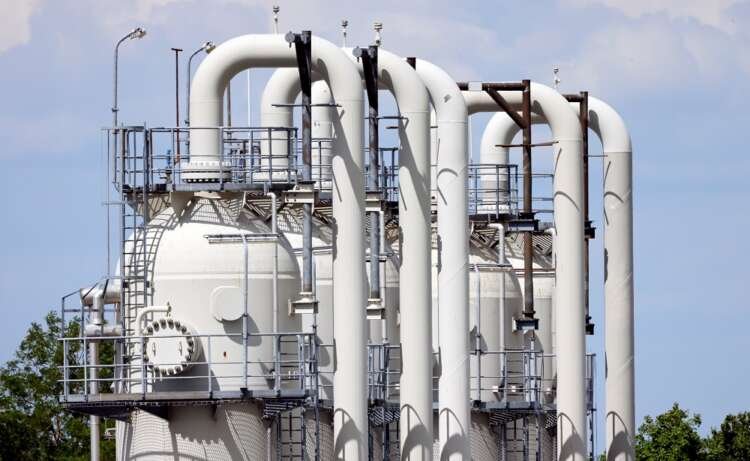
    This image showcases the Jagal gas pipeline, a critical component in Europe's energy supply. It relates to the article discussing emergency measures approved by EU countries to address the spike in energy prices amid ongoing tensions with Russia and the upcoming winter challenges.
    Image depicting the Jagal gas pipeline, highlighting Europe's energy crisis measures - Global Banking & Finance Review
    Why waste money on news and opinion when you can access them for free?

    Take advantage of our newsletter subscription and stay informed on the go!

    Subscribe

    Tags:energy marketEuropean economiesfinancial crisissustainability

    By Kate Abnett

    BRUSSELS (Reuters) – European Union countries on Friday approved a package of emergency measures aimed at pulling down surging gas and power prices that are stoking inflation, hampering industrial activity and inflicting sky-high bills on consumers ahead of winter.

    The deal came as countries were investigating the cause of leaks in Russia’s Nord Stream gas pipelines to Europe, and as Europe heads into an energy-scarce winter after Russia slashed gas deliveries in the wake of its invasion of Ukraine.

    Moscow blames the supply cuts to EU countries on Western sanctions.

    EU energy ministers immediately launched talks on Friday on their next move to contain the energy crunch, which many countries have said should be a bloc-wide cap on gas prices.

    But for now, here are the energy measures EU countries approved on Friday.

    WINDFALL LEVY ON NON-GAS POWER PLANTS

    The EU agreed to claw back revenue from electricity generators with low running costs to raise cash for governments to spend on cushioning consumers and industry from soaring energy bills.

    In the EU system, gas plants often set the price of electricity. Wind, solar and nuclear power plants can still sell their electricity at the resulting high prices even though they have far lower running costs, and do not have to pay huge bills for fuel.

    EU countries will skim off excess revenue made by these generators, and also by electricity traders, from December to June 2023.

    The measure would apply a price limit of 180 euros per megawatt hour (MWh) until March on the revenue these generators get for their power in the market.

    The limit would be applied after power transactions are settled, so it would not directly affect prices in Europe’s exchange-traded electricity market.

    Countries could opt to also impose an even tougher national cap on revenues, or only recoup 90% of firms’ excess revenues if they choose. They can also set a separate cap to skim off coal plants’ revenues.

    National governments would be responsible for recouping the cash and spending it to mitigate soaring energy prices. That could include giving consumers financial incentives to use less power, lowering consumers’ electricity bills, or helping them invest in energy-saving measures such as home insulation.

    The Commission said the proposal would raise 117 billion euros ($117 billion), although that cash would not be evenly shared, and countries such as Estonia have said they expect to gain little revenue from the measure.

    The levy would not be mandatory for Malta and Cyprus, island countries not fully connected to the EU electricity system.

    PROFIT SHARING FOR FOSSIL FUEL FIRMS

    EU countries will also skim off excess cash from companies that have made bumper profits from selling fossil fuels at record prices.

    They also agreed on Friday to introduce a temporary windfall profit levy for oil, gas, coal and refining companies.

    This would apply to 33% of firms’ taxable surplus profits from 2022, 2023, or both, with surplus profits defined as those 20% above a company’s average taxable profits in the last four years.

    States including Italy and Greece already have a windfall profit tax on energy firms, and countries agreed that governments can keep such national measures, instead of replacing them with the EU scheme.

    The levy would be collected by the EU country where the company’s windfall profits are generated.

    ELECTRICITY DEMAND CUT

    EU countries also agreed to a mandatory target to cut their electricity consumption from December to March, to ensure Europe has enough fuel to last the colder months.

    During the 10% of hours of highest electricity demand each month, EU countries would be required to curb their power use by 5%. National governments would be responsible for designing measures to lower demand.

    EU gas storage is now 88% full, exceeding the EU’s pre-winter filling target. But analysts say Europe will still need to slash gas use over winter to avoid storage facilities running dry.

    NO GAS PRICE CAP

    EU countries will now assess possible extra measures they could use to curb surging prices, including a gas price cap.

    France, Italy, Poland and 12 other countries this week asked the European Commission to propose an EU-wide price cap on wholesale gas transactions.

    Other countries are opposed – among them Germany, Europe’s biggest gas buyer, and the Netherlands – warning it could leave countries struggling to attract supplies in price-competitive global markets this winter.

    The European Commission has also raised doubts, and suggested the EU instead apply a more limited price cap on Russian gas, or gas specifically used for power generation.

    EU energy ministers will discuss their next steps on Friday. The Commission, which drafts EU policies, will then share details next month on the extra measures it is looking into.

    That could also include help for energy companies facing soaring collateral needs and an alternative benchmark price for liquefied natural gas, ideas Brussels has said it is working on.

    (Reporting by Kate Abnett, Jan Lopatka; Additional reporting by Susanna Twidale; Editing by Philip Blenkinsop and Jan Harvey)

    Frequently Asked Questions about Factbox-Europe’s crisis measures to tackle energy price spike

    1What is a windfall levy?

    A windfall levy is a tax imposed on companies that have unexpectedly high profits, often due to market conditions, to redistribute funds to support consumers or mitigate financial impacts.

    2What is inflation?

    Inflation is the rate at which the general level of prices for goods and services rises, eroding purchasing power. It is typically measured by the Consumer Price Index (CPI).

    3What is a gas price cap?

    A gas price cap is a regulatory limit set on the price that can be charged for gas, aimed at protecting consumers from excessive price increases.

    More from Top Stories

    Explore more articles in the Top Stories category

    Image for Lessons From the Ring and the Deal Table: How Boxing Shapes Steven Nigro’s Approach to Banking and Life
    Lessons From the Ring and the Deal Table: How Boxing Shapes Steven Nigro’s Approach to Banking and Life
    Image for Joe Kiani in 2025: Capital, Conviction, and a Focused Return to Innovation
    Joe Kiani in 2025: Capital, Conviction, and a Focused Return to Innovation
    Image for Marco Robinson – CLOSE THE DEAL AND SUDDENLY GROW RICH
    Marco Robinson – CLOSE THE DEAL AND SUDDENLY GROW RICH
    Image for Digital Tracing: Turning a regulatory obligation into a commercial advantage
    Digital Tracing: Turning a regulatory obligation into a commercial advantage
    Image for Exploring the Role of Blockchain and the Bitcoin Price Today in Education
    Exploring the Role of Blockchain and the Bitcoin Price Today in Education
    Image for Inside the World’s First Collection Industry Conglomerate: PCA Global’s Platform Strategy
    Inside the World’s First Collection Industry Conglomerate: PCA Global’s Platform Strategy
    Image for Chase Buchanan Private Wealth Management Highlights Key Autumn 2025 Budget Takeaways for Expats
    Chase Buchanan Private Wealth Management Highlights Key Autumn 2025 Budget Takeaways for Expats
    Image for PayLaju Strengthens Its Position as Malaysia’s Trusted Interest-Free Sharia-Compliant Loan Provider
    PayLaju Strengthens Its Position as Malaysia’s Trusted Interest-Free Sharia-Compliant Loan Provider
    Image for A Notable Update for Employee Health Benefits:
    A Notable Update for Employee Health Benefits:
    Image for Creating Equity Between Walls: How Mohak Chauhan is Using Engineering, Finance, and Community Vision to Reengineer Affordable Housing
    Creating Equity Between Walls: How Mohak Chauhan is Using Engineering, Finance, and Community Vision to Reengineer Affordable Housing
    Image for Upcoming Book on Real Estate Investing: Harvard Grace Capital Founder Stewart Heath’s Puts Lessons in Print
    Upcoming Book on Real Estate Investing: Harvard Grace Capital Founder Stewart Heath’s Puts Lessons in Print
    Image for ELECTIVA MARKS A LANDMARK FIRST YEAR WITH MAJOR SENIOR APPOINTMENTS AND EXPANSION MILESTONES
    ELECTIVA MARKS A LANDMARK FIRST YEAR WITH MAJOR SENIOR APPOINTMENTS AND EXPANSION MILESTONES
    View All Top Stories Posts
    Previous Top Stories PostNestle to stop sourcing from Indonesian palm oil producer AAL
    Next Top Stories PostUK economy still below pre-pandemic size, underscoring challenge for Truss