Top Stories
Exclusive-Shell slows investments in offshore wind, splits power business
Published by Jessica Weisman-Pitts
Posted on December 4, 2024
2 min readLast updated: January 28, 2026
Published by Jessica Weisman-Pitts
Posted on December 4, 2024
2 min readLast updated: January 28, 2026
By Ron Bousso
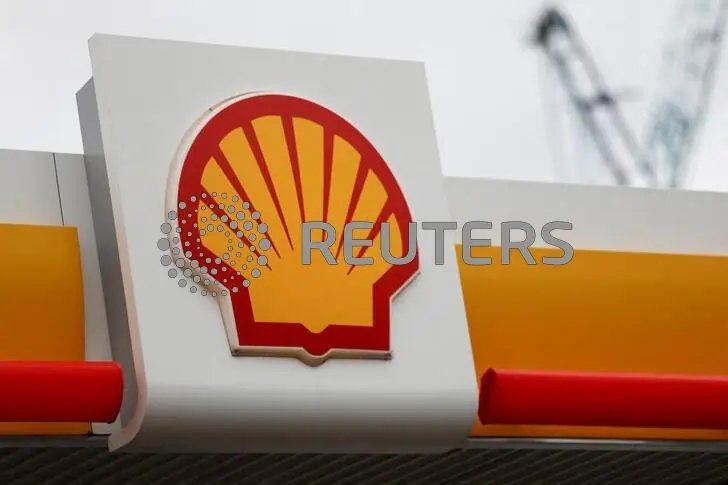
LONDON (Reuters) -Shell is stepping back from new offshore wind investments and is splitting its power division following an extensive review of the business under CEO Wael Sawan’s drive to boost profits, the company told Reuters.
Shell Energy, which includes renewables, power generation and supply to customers, will be split into two separate power generation and trading units, a company spokesperson told Reuters.
“While we will not lead new offshore wind developments, we remain interested in offtakes where commercial terms are acceptable and are cautiously open to equity positions, if there is a compelling investment case,” the spokesperson said in a statement.
The changes are part of a company-wide review launched in 2023 aimed at reducing costs as Sawan focuses on the highest-return business, which in many cases has meant reducing spending on low-carbon and renewables activities and increasing the focus on oil, gas and biofuels.
Shell and other major energy companies have in the past touted offshore wind as a key market they can invest in as part of the world’s energy transition, drawing on their decades-long experience in offshore oil and gas production.
But the sector has been hit in recent years by soaring costs, supply chain issues and rising interest rates, leading companies to review investments.
Shell will continue to develop projects already underway, it said. The company in recent months has retreated from several offshore wind projects, including in South Korea and the United States.
The changes were announced in an internal presentation by Shell Energy boss Greg Joiner on Wednesday, two company sources said.
(Reporting by Ron Bousso. Editing by Jane Merriman and Mark Potter)
Offshore wind investment refers to funding projects that generate electricity from wind turbines located in bodies of water, typically to harness stronger and more consistent winds compared to onshore locations.
A power division in a company is a segment that focuses on energy production and management, which may include renewable energy sources like wind and solar, as well as traditional energy sources.
Low-carbon activities are practices and investments aimed at reducing greenhouse gas emissions, often involving renewable energy sources, energy efficiency improvements, and sustainable technologies.
An equity position refers to ownership in a company, represented by shares of stock. It indicates the amount of ownership an investor has in a business.
Supply chain issues are disruptions or inefficiencies in the production and distribution process that can affect the availability of goods and services, often caused by factors like logistics, costs, or resource shortages.
Explore more articles in the Top Stories category