
Top Stories
Euro zone factory downturn deepened again in March, PMI shows
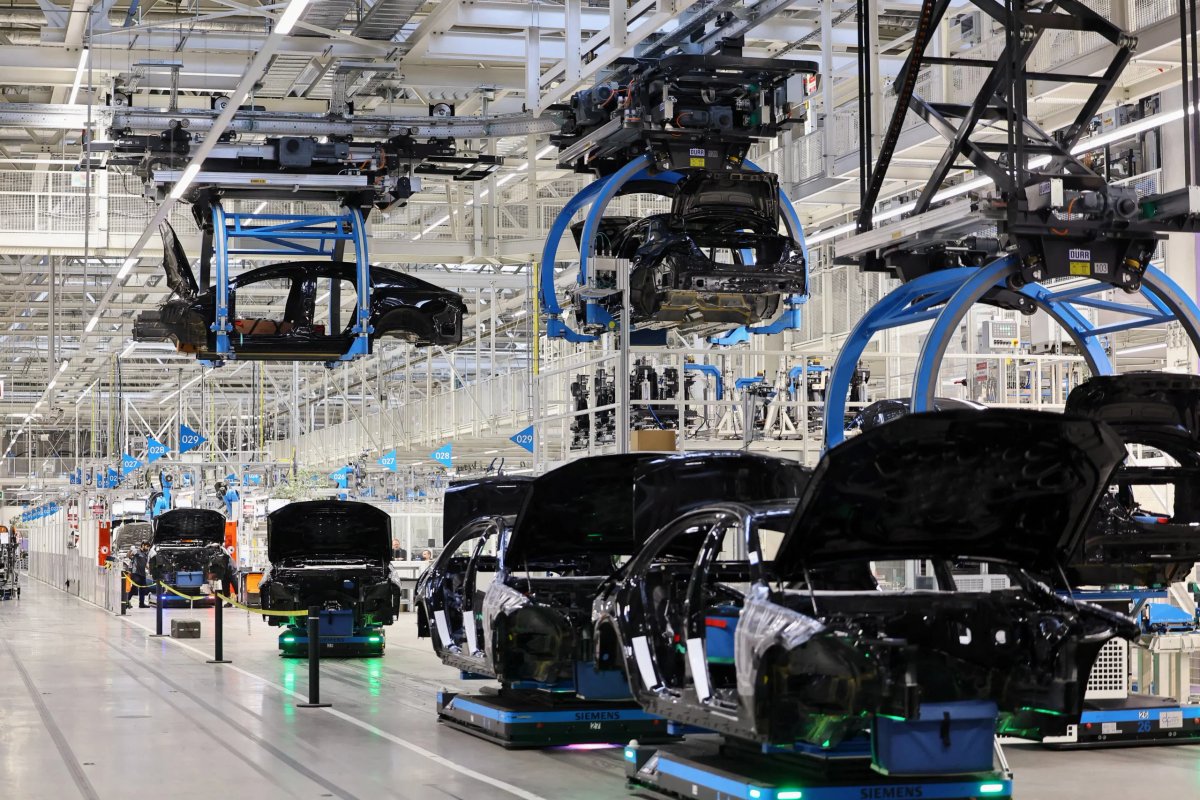
LONDON (Reuters) – Euro zone manufacturing activity took a further turn for the worse in March, contracting at a steeper pace than in February, as demand continued to fall, according to a survey which nevertheless showed an uptick in optimism.
LONDON (Reuters) – Euro zone manufacturing activity took a further turn for the worse in March, contracting at a steeper pace than in February, as demand continued to fall, according to a survey which nevertheless showed an uptick in optimism.
HCOB’s final euro zone manufacturing Purchasing Managers’ Index (PMI), compiled by S&P Global, dipped to 46.1 in March from February’s 46.5, beating a preliminary estimate of 45.7 but staying below the 50 mark denoting growth in activity for a 21st month.
An index measuring output, which feeds into a composite PMI due on Thursday and is seen as a good gauge of economic health, rose from February’s 46.6 to 47.1, improving on the flash estimate of 46.8.
“It’s a bit disheartening: over the last eight months, the manufacturing industry has been gradually climbing the Output PMI ladder, but it still finds itself on the basement staircase,” said Cyrus de la Rubia, chief economist at Hamburg Commercial Bank.
“However, progress to the next floor has yet to materialise, largely owing to the underperformance of the German and French industries.”
New orders fell for a 23rd month despite factories cutting their prices at the fastest pace since November. Any sign of easing inflationary pressures will likely be welcome news to the European Central Bank as they struggle to bring inflation back to target.
Factories across the bloc reduced headcount again but in a sign that managers expected an improvement the future output index, a gauge of optimism, rose to 57.4 from 57.1, its highest since April last year.
(Reporting by Jonathan Cable; Editing by Hugh Lawson)
New orders refer to the total number of new purchase orders received by manufacturers during a specific period, indicating future production levels and demand.
Inflation is the rate at which the general level of prices for goods and services rises, eroding purchasing power and often prompting central banks to adjust interest rates.
Explore more articles in the Top Stories category