
Investing
ECB will probably cut rates in Oct on risk of too low inflation: Villeroy
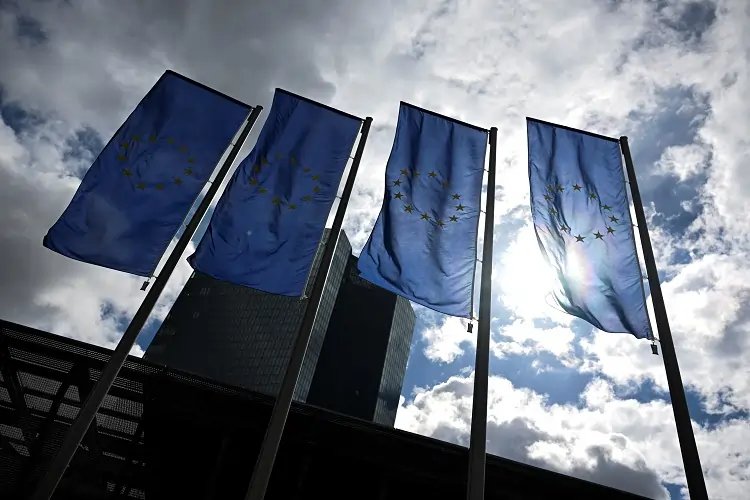
FRANKFURT (Reuters) – The European Central Bank will probably cut interest rates on Oct 17 as economic growth is weak and this raises the risk that inflation will undershoot its 2% target, French Central Bank Chief Francois Villeroy de Galhau told an Italian newspaper.
FRANKFURT (Reuters) – The European Central Bank will probably cut interest rates on Oct 17 as economic growth is weak and this raises the risk that inflation will undershoot its 2% target, French Central Bank Chief Francois Villeroy de Galhau told an Italian newspaper.
The ECB cut rates from record highs twice already this year and markets now expect even quicker policy easing with moves in October and December fully priced in as inflationary pressures are easing faster than policymakers had expected.
“Yes, quite probably,” Villeroy told La Repubblica when asked if a cut is coming this month.
“In the last two years our main risk was to overshoot our 2% target,” Villeroy was quoted on Monday as saying. “Now we must also pay attention to the opposite risk, of undershooting our objective due to a weak growth and a restrictive monetary policy for too long.”
ECB President Christine Lagarde offered the strongest hint yet last week that an October rate cut is coming and policymakers have been lining up behind her since then.
Villeroy predicted further cuts in the 3.5% deposit rate next year and said the ECB should be back at the “neutral” rate, which neither slows, nor stimulates growth, sometime in 2025.
“If we are next year sustainably at 2% inflation, and with still a sluggish growth outlook in Europe, there won’t be any reason for our monetary policy to remain restrictive, and our rates to be above the neutral rate of interest,” Villeroy said.
He did not estimate the neutral rate but said markets put it at around 2%, which would suggest six more cuts until then, including two more this year and four in 2025, if the ECB continued its practice of moving in 25 basis point increments.
While oil prices surged last week on turmoil in the Middle East, Villeroy said the ECB tended to look past such shocks, provided they were temporary and not feeding into underlying prices.
“The victory against inflation is in sight, but it’s not a reason to become complacent and relax on a preset course,” Villeroy added.
(Reporting by Balazs Koranyi; editing by Diane Craft)
Monetary policy refers to the actions taken by a central bank to manage the money supply and interest rates to achieve economic objectives like controlling inflation and stabilizing the currency.
The European Central Bank (ECB) is the central bank for the eurozone, responsible for managing the euro and implementing monetary policy for the member states of the European Union that use the euro.
Interest rates are the cost of borrowing money or the return on savings, expressed as a percentage of the total amount borrowed or saved, typically set by central banks.
Inflation is the rate at which the general level of prices for goods and services rises, eroding purchasing power. It is typically measured by the Consumer Price Index (CPI).
A central bank is a national institution that manages a country's currency, money supply, and interest rates, and oversees the banking system to ensure financial stability.
Explore more articles in the Investing category