Search
00
GBAF Logo
trophy
Top StoriesInterviewsBusinessFinanceBankingTechnologyInvestingTradingVideosAwardsMagazinesHeadlinesTrends

Subscribe to our newsletter

Get the latest news and updates from our team.

Global Banking & Finance Review®

Global Banking & Finance Review® - Subscribe to our newsletter

Company

    GBAF Logo
    • About Us
    • Profile
    • Privacy & Cookie Policy
    • Terms of Use
    • Contact Us
    • Advertising
    • Submit Post
    • Latest News
    • Research Reports
    • Press Release
    • Awards▾
      • About the Awards
      • Awards TimeTable
      • Submit Nominations
      • Testimonials
      • Media Room
      • Award Winners
      • FAQ
    • Magazines▾
      • Global Banking & Finance Review Magazine Issue 79
      • Global Banking & Finance Review Magazine Issue 78
      • Global Banking & Finance Review Magazine Issue 77
      • Global Banking & Finance Review Magazine Issue 76
      • Global Banking & Finance Review Magazine Issue 75
      • Global Banking & Finance Review Magazine Issue 73
      • Global Banking & Finance Review Magazine Issue 71
      • Global Banking & Finance Review Magazine Issue 70
      • Global Banking & Finance Review Magazine Issue 69
      • Global Banking & Finance Review Magazine Issue 66
    Top StoriesInterviewsBusinessFinanceBankingTechnologyInvestingTradingVideosAwardsMagazinesHeadlinesTrends

    Global Banking & Finance Review® is a leading financial portal and online magazine offering News, Analysis, Opinion, Reviews, Interviews & Videos from the world of Banking, Finance, Business, Trading, Technology, Investing, Brokerage, Foreign Exchange, Tax & Legal, Islamic Finance, Asset & Wealth Management.
    Copyright © 2010-2026 GBAF Publications Ltd - All Rights Reserved. | Sitemap | Tags | Developed By eCorpIT

    Editorial & Advertiser disclosure

    Global Banking & Finance Review® is an online platform offering news, analysis, and opinion on the latest trends, developments, and innovations in the banking and finance industry worldwide. The platform covers a diverse range of topics, including banking, insurance, investment, wealth management, fintech, and regulatory issues. The website publishes news, press releases, opinion and advertorials on various financial organizations, products and services which are commissioned from various Companies, Organizations, PR agencies, Bloggers etc. These commissioned articles are commercial in nature. This is not to be considered as financial advice and should be considered only for information purposes. It does not reflect the views or opinion of our website and is not to be considered an endorsement or a recommendation. We cannot guarantee the accuracy or applicability of any information provided with respect to your individual or personal circumstances. Please seek Professional advice from a qualified professional before making any financial decisions. We link to various third-party websites, affiliate sales networks, and to our advertising partners websites. When you view or click on certain links available on our articles, our partners may compensate us for displaying the content to you or make a purchase or fill a form. This will not incur any additional charges to you. To make things simpler for you to identity or distinguish advertised or sponsored articles or links, you may consider all articles or links hosted on our site as a commercial article placement. We will not be responsible for any loss you may suffer as a result of any omission or inaccuracy on the website.

    Home > Investing > An Introduction to Commodity Trading for Individual Investors
    Investing

    An Introduction to Commodity Trading for Individual Investors

    Published by Jessica Weisman-Pitts

    Posted on April 25, 2024

    7 min read

    Last updated: January 30, 2026

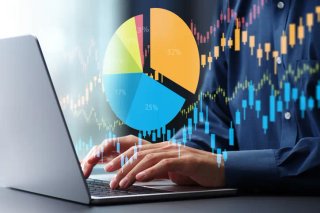
    A visual representation of commodity trading strategies, featuring key charts and graphs. This image enhances the article on commodity trading, highlighting its importance for individual investors in diversifying portfolios.
    Illustration of commodity trading concepts with graphs and charts - Global Banking & Finance Review
    Why waste money on news and opinion when you can access them for free?

    Take advantage of our newsletter subscription and stay informed on the go!

    Subscribe

    Tags:sustainabilityportfoliosinvestment

    Quick Summary

    Commodity trading, a critical component of the global financial landscape, offers individual investors a path to diversify their portfolios beyond traditional stocks and bonds. In this guide, we delve into the basics of commodity trading, its advantages, market strategies, and how individual investo...

    Table of Contents

    • Understanding Commodity Trading
    • Why Commodity Trading Appeals to Individual Investors
    • Starting Points for Individual Investors
    • Benefits of Commodity Trading
    • Challenges and Risks
    • Advanced Strategies in Commodity Trading
    • Understanding Commodity Exchanges and Regulatory Bodies
    • Leveraging Commodities in Portfolio Construction
    • Impact of Global Economic Trends on Commodity Markets

    An Introduction to Commodity Trading for Individual Investors

    Commodity trading, a critical component of the global financial landscape, offers individual investors a path to diversify their portfolios beyond traditional stocks and bonds. In this guide, we delve into the basics of commodity trading, its advantages, market strategies, and how individual investors can get started. By understanding these elements, investors can navigate the commodity markets more effectively, unlocking potential opportunities for growth and diversification.

    Understanding Commodity Trading

    Commodity trading involves the buying and selling of goods like gold, oil, and agricultural products. Unlike equities, commodities are tangible assets, which means their prices are influenced by different factors, including supply and demand dynamics, geopolitical events, and changes in currency values. For individual investors, commodity trading presents an avenue to hedge against inflation, as commodities typically move inversely to currencies.

    Why Commodity Trading Appeals to Individual Investors

    The allure of commodity trading for individual investors lies in its potential to offer substantial returns. Commodities can serve as a hedge against inflation and provide portfolio diversification, reducing risk by spreading investments across different asset classes. Additionally, the advent of commodity futures, ETFs, and mutual funds has simplified access to these markets for individual investors. Xs.com offers access to a wide range of commodities, including cocoa, coffee, copper, corn, cotton, soybean, sugar, and wheat. Plan your trades with confidence and optimize your trading experience by exploring detailed contract specifications tailored to various account types.


    Market Strategies for Commodity Trading

    1. Futures Contracts: A common approach to commodity trading is through futures contracts, agreements to buy or sell a specific quantity of a commodity at a predetermined price on a future date. Futures can be a double-edged sword, offering high rewards but also significant risk.
    2. Exchange-Traded Funds (ETFs) and Mutual Funds: These funds allow investors to gain exposure to commodities without directly trading futures contracts. They offer the benefit of professional management and diversification.
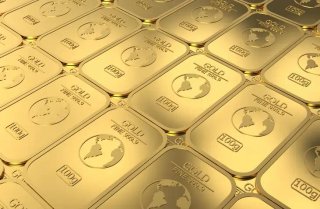
    3. Direct Physical Purchases: Some investors prefer buying physical commodities, like gold bars or silver coins, through dealers such as Monex. This strategy eliminates the need for a brokerage account but requires secure storage.

    Starting Points for Individual Investors

    To begin commodity trading, investors should:

    • Educate Themselves: Understanding market dynamics and the factors that influence commodity prices is crucial.
    • Set Clear Objectives: Define what you aim to achieve through commodity trading, considering your risk tolerance and investment horizon.
    • Choose the Right Broker: Select a broker with robust platforms, tools, and educational resources tailored to commodity trading.
    • Start Small: Given the volatile nature of commodities, starting with a small investment is advisable to test strategies and gain experience.

    Benefits of Commodity Trading

    • Diversification: Commodities often move independently of stocks and bonds, offering a diversification benefit.
    • Protection Against Inflation: Commodities can protect against inflation since their prices typically rise when the value of fiat currencies declines.
    • Potential for High Returns: While risky, commodities can deliver significant returns, especially in markets experiencing supply shortages or increased demand.

    Challenges and Risks

    • Volatility: Commodity prices can be highly volatile, influenced by unpredictable factors such as weather conditions and political instability.
    • Complexity: Understanding the nuances of commodity markets requires time and effort, which might be daunting for new investors.
    • Risk of Loss: The leverage associated with futures contracts can amplify losses, making it crucial for investors to manage their risk exposure carefully.

    Advanced Strategies in Commodity Trading

    • Technical Analysis: Mastering technical analysis can provide investors with insights into market trends and potential entry and exit points. This involves analyzing historical price charts, trading volumes, and other market indicators.
    • Fundamental Analysis: This strategy focuses on understanding the underlying factors that affect commodity prices, such as economic indicators, weather conditions, and geopolitical events. By grasping these elements, investors can make more informed trading decisions.
    • Risk Management Techniques: Employing stop-loss orders and diversifying across different commodities are crucial strategies to mitigate losses. Additionally, understanding and managing leverage wisely can prevent significant financial setbacks.

    Understanding Commodity Exchanges and Regulatory Bodies

    Commodities are traded on various exchanges around the world, such as the Chicago Mercantile Exchange (CME) and the London Metal Exchange (LME). Each exchange specializes in specific types of commodities and follows its own set of rules and regulations. Furthermore, regulatory bodies like the Commodity Futures Trading Commission (CFTC) in the United States oversee trading activities to ensure fairness and transparency in the markets. Familiarizing oneself with these exchanges and regulatory frameworks is essential for trading compliance and success.

    Leveraging Commodities in Portfolio Construction

    Adding commodities to an investment portfolio can enhance diversification and reduce volatility. However, the allocation should be carefully considered based on the individual’s risk tolerance and investment objectives. Some financial advisors recommend allocating a portion of the portfolio to commodities, but this can vary widely among investors.

    Impact of Global Economic Trends on Commodity Markets

    Global economic trends, such as inflation rates, economic growth, and currency fluctuations, significantly impact commodity prices. For example, a strong dollar typically leads to lower commodity prices in dollar terms, affecting international trade dynamics. Keeping a close eye on these trends can help investors anticipate market movements and adjust their trading strategies accordingly.

    Technological Advances in Commodity Trading

    Technology plays a crucial role in today’s commodity markets. From algorithmic trading to blockchain technology for supply chain transparency, these advances offer new opportunities and challenges for individual investors. Embracing technology can enhance trading efficiency and provide access to real-time data and analysis tools.

    Sustainability and Ethical Considerations

    As the world increasingly focuses on sustainability, the commodity markets are also affected. Ethical sourcing, environmental impact, and sustainable practices are becoming critical factors influencing investor decisions, particularly in commodities like precious metals and agricultural products. Understanding these aspects can help investors align their trading activities with their ethical values and sustainability goals.

    FAQs

    How much capital do I need to start commodity trading? The capital requirement can vary depending on the commodity and the trading strategy. While some brokers offer mini-contract options that require less capital, it’s essential to consider the risk and potential margin calls.

    Is commodity trading suitable for all investors? Commodity trading involves significant risk and might not be suitable for all investors. It’s essential to assess your risk tolerance and investment objectives before diving in.

    Can commodity trading be a full-time endeavor? Yes, some individuals trade commodities full-time. However, it requires a deep understanding of the markets, a well-thought-out strategy, and the ability to manage risk effectively.

    How do I stay informed about commodity markets? Investors should follow financial news, subscribe to market analysis newsletters, and use trading platforms that offer real-time data and insights.

    Conclusion

    Commodity trading offers individual investors an exciting opportunity to diversify their investment portfolios and potentially hedge against inflation. However, it comes with its set of challenges, including market volatility and the need for a comprehensive understanding of how commodity markets operate. By starting with a clear strategy, educating themselves, and cautiously navigating the market, individual investors can explore commodity trading as a viable investment avenue.

    This introduction has just scratched the surface of commodity trading for individual investors. As with any investment, success in commodities requires diligence, patience, and a willingness to learn. Whether you’re drawn to the physical allure of gold or the strategic play of oil futures, the commodity markets offer a diverse world waiting to be explored.

    Frequently Asked Questions about An Introduction to Commodity Trading for Individual Investors

    1What is commodity trading?

    Commodity trading involves buying and selling physical goods like gold, oil, and agricultural products. It allows investors to diversify their portfolios and hedge against inflation.

    2What are futures contracts?

    Futures contracts are agreements to buy or sell a specific quantity of a commodity at a predetermined price on a future date, allowing investors to speculate on price movements.

    3What is a commodity exchange?

    A commodity exchange is a marketplace where commodities are traded. Examples include the Chicago Mercantile Exchange (CME) and the London Metal Exchange (LME), which facilitate the buying and selling of various commodities.

    4What is portfolio diversification?

    Portfolio diversification is an investment strategy that involves spreading investments across various asset classes to reduce risk. It can include stocks, bonds, and commodities.

    5What is inflation?

    Inflation is the rate at which the general level of prices for goods and services rises, eroding purchasing power. Commodities often serve as a hedge against inflation.

  • Technological Advances in Commodity Trading
  • Sustainability and Ethical Considerations
  • FAQs
  • Conclusion
  • More from Investing

    Explore more articles in the Investing category
    Image for Understanding the Factors Shaping Bitcoin’s Current Market Conditions
    Understanding the Factors Shaping Bitcoin’s Current Market Conditions
    Image for Understanding Investment Management Consulting Services in the U.S. Market
    Understanding Investment Management Consulting Services in the U.S. Market
    Image for The Role of DST Sponsors and Service Providers in Delaware Statutory Trusts
    The Role of DST Sponsors and Service Providers in Delaware Statutory Trusts
    Image for Understanding Self-Directed IRA Structures and Platform Models
    Understanding Self-Directed IRA Structures and Platform Models
    Image for 1031 Exchanges and Delaware Statutory Trusts: What Investors Need to Know
    1031 Exchanges and Delaware Statutory Trusts: What Investors Need to Know
    Image for Excellence in Innovation – Strategic Investment & Economic Transformation Egypt 2025
    Excellence in Innovation – Strategic Investment & Economic Transformation Egypt 2025
    Image for What Is the Average Pension Pot in the UK? (By Age)
    What Is the Average Pension Pot in the UK? (By Age)
    Image for From Money Printing to Market Surge: The Macro Forces Driving Crypto in 2026
    From Money Printing to Market Surge: The Macro Forces Driving Crypto in 2026
    Image for  Millennials Aren’t Ignoring Retirement. They’re Rebuilding It.
    Millennials Aren’t Ignoring Retirement. They’re Rebuilding It.
    Image for BridgeWise Launches FixedWise, the First AI Solution Bringing Granular Bond Intelligence to the European Market
    BridgeWise Launches FixedWise, the First AI Solution Bringing Granular Bond Intelligence to the European Market
    Image for Why Financial Advisors Are Rethinking Gold Allocations
    Why Financial Advisors Are Rethinking Gold Allocations
    Image for From Opaque to Investable: Yaniv Bertele's Blueprint for Transparent Alternatives
    From Opaque to Investable: Yaniv Bertele's Blueprint for Transparent Alternatives
    View All Investing Posts
    Previous Investing PostHow reforms and innovation have turned Uzbekistan into a global investment opportunity
    Next Investing PostNavigating Market Volatility: Strategies for Retail Investors